
Bed Room Decor
How to design your duvet cover for a modern and elegant look?
Oct
Table of Contents
How to design your duvet cover for a modern and elegant look
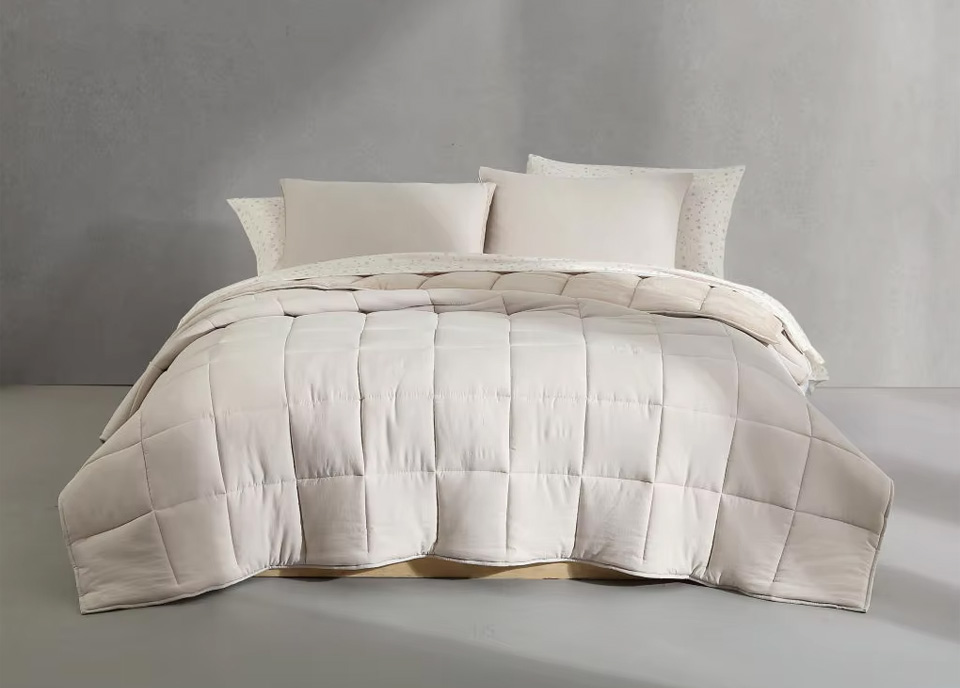
A well-designed bed rarely relies on buying more pillows. It is based on assigning a task to each layer. A bed cover is the layer that gives the bed a thoughtful appearance: it adds shape, structure and a clean finish, while keeping the sleeping pillows practical. For a modern, elegant bedroom, it’s not about a cluttered hotel presentation. It is about a quiet arrangement with depth, proportions and sufficient contrast, so that it looks intentional.
When I work with bedding collections for retail or hospitality projects, I start with a simple rule: build the bed from back to front – and then remove anything that doesn’t improve the silhouette. This approach makes it easier to repeat a pillow case arrangement consistently across different color variants and bed sizes.
Start with the function of a pillow case
A bed cover is a decorative pillowcase that is usually designed with a more structured front, a precise edge, a quilted surface, an apron or a closure – in contrast to a standard pillowcase. He can pick up a pillow inlet, but his main function is visual. This distinction is useful because it allows you to separate the pillows used for sleeping from those who design the room.
For a modern look, choose a bed sham that complements the entire bedding palette instead of competing with it. A smooth cotton sham with a narrow apron looks fresh and precise; a slightly quilted or matelassé option gives subtle depth; linen conveys a relaxed, thoughtful character. Choose the texture that makes the ceiling or cover look richer – without introducing another eye-catching pattern.
Build the cushion arrangement from back to front.
Layering is most effective when the largest visual elements are placed closest to the headboard. This creates a clean background, and the front cushions act as accents – not as a disorder.
- Place the highest shams first. On a queen or king bed, euro shams can form the back layer; on a smaller bed, standard shams may be enough. Keep this layer upright and evenly distributed.
- Add the primary sham layer for the bed. Match the two shams with the ceiling, the throw or the quilt. You can match exactly to achieve a custom ensemble, or use a related shade to create depth.
- Place the sleeping pillows in front of or directly behind the shams. Choose the position that is most practical for the room. In a frequently used bedroom, storing the sleeping cushions behind the decorative layer can speed up the daily re-arranging.
- Round off the arrangement with a targeted accent. A single lumbar cushion or two compact square cushions give the arrangement an eye-catcher. Don’t add anything else unless the bed is exceptionally wide.
A more comprehensive composition often uses Euro-Shams at the back, sleeping pillows in the middle and a lumbar cushion at the front. Think of this as a flexible formula, not a mandatory requirement. The correct number of layers is the one with the headboard and upper bed edge still visible.
Use tonal contrast instead of matching each cushion exactly in color.
Elegant bed linen does not require a high contrast. In fact, the most versatile cushion arrangement remains most common within a color family and instead varies the brightness value, fabric, or surface texture. If the blanket is warm ivory, oats, foggy beige, gentle sage green or steamed stone are suitable for the pillows. For bed linen in coal or deep blue, choose a pillow in a lighter shade or use a warm neutrum at the front of the layout.
Avoid designing the blanket, pillows, sheets and accent cushions identically in color and shine. The result often looks flat – especially in natural daylight. Instead, one layer should be matte, another should have a subtle fabric, and a third should insert a fine detail such as a narrow quilted border. This small difference creates visual dynamics without disturbing the tranquility of the space.
Choose the right size for mattress
The ratio is crucial: it distinguishes a modern arrangement from an overloaded one. A duvet cover should feel proportional to the width of the mattress and the height of the headboard. Oversized Euro covers can make a low headboard look more visually massive, while standard covers often fit better with a sleek platform bed or a compact guest room.
- Single or day bed: Use one or two standard covers – depending on whether the bed is designed as a sofa during the day.
- Double or Queen size: Two standard or Queen covers ensure balance; Euro covers only add you if the headboard is sufficiently high.
- King-Size: Use two King covers or a pair of Euro covers as a rear layer and supplement them with a low-key front accent.
Keep the pillow fillings full, but not overstretched. A thin filling makes the duvet cover appear limp, while a too-tight filling can distort the pevens and seams. The finished edge should always remain visible, and the cushion should retain a soft, upright shape.
Combine structures with discipline
Structure is an easy way to make neutral bedding look more noble. Combine a fresh percale or smooth cotton blanket with a slightly quilted bed decoration; place linen pillowcases in front of a smooth blanket; or use a subtle jacquard pattern in a room with otherwise plain textiles. It is important to repeat a structure only once – not everywhere.
An example: A white blanket, quilted pillowcases in Taupe and a woven lumbar cushion look warm and contemporary, because each layer has a different surface. Only add a throw at the foot of the bed if it introduces a complementary structure or a subtle color variant. If it only adds volume, leave it out.
Round off the bed with a well thought-out, everyday routine
The most elegant bed design is easy to maintain. Every morning smooth the ceiling, place the rear cushion covers upright, place the front cushion covers so that the openings point inwards or downwards, and center the lumbar cushion. Take a short step back before leaving the room to examine the arrangement: If the accent cushion is too low, tilt the cushion covers or the colors look too uniform, make a small adjustment – instead of adding another accessory.
For buyers and merchandising teams, this same routine provides a useful framework for product presentation. Show a coordinated combination of pillow cases, blankets and accent cushions in a reserved bed view – and then demonstrate how the same pillow case can change from a relaxed linen look to a noble quilted texture, depending on the collection. A versatile pillowcase is not just an additional item; it is a visual anchor that gives the entire bedding set a complete appearance.
Modern Pillow Case Styling Checklist
- Start with the largest pillow cases at the back and work your way forward.
- Use two matching pillowcases for symmetry and limit the front accent to a clear point of view.
- Create depth through color change, fabric and surface structure instead of overloaded patterns.
- Match the size of the pillowcase arrangement to the mattress and headboard.
- Choose layers that can be rearranged in a few minutes, not an arrangement that only works for one photo.
With a sophisticated color palette and a disciplined number of layers, a bed cover can make an ordinary bed look modern, balanced and quietly luxurious. Focus first on the ratio, then on the texture and finally on the decoration; this order saves the end result from overloading and maintains its elegance.
Conclusion
Designing a modern and elegant bed is all about balancing comfort, proportion, color, and texture. By layering decorative pillow covers from back to front, choosing shades that complement your duvet cover and bedding, and selecting sizes that suit your mattress and headboard, you can create a polished and harmonious bedroom. Combining different fabrics, subtle patterns, and quilted details adds depth without making the arrangement look cluttered. Whether you prefer a minimalist style or a softly luxurious appearance, the key is to keep the design simple, coordinated, and easy to maintain. With the right bed covers, pillow shams, and accent cushions, you can transform an ordinary bed into a stylish focal point that brings lasting elegance and comfort to your bedroom.
FAQs About Styling Duvet Covers for a Modern and Elegant Look
1. How can I style a duvet cover for a modern and elegant bedroom?
To style a duvet cover elegantly, choose a coordinated color palette, layer bedding with complementary textures, and keep decorative accessories minimal. Combine a neatly arranged duvet cover with matching pillowcases, decorative cushions, and a subtle throw to create a balanced and sophisticated bedroom.
2. Which colors are best for a modern duvet cover?
Neutral shades such as white, ivory, beige, taupe, grey, and soft sage green work beautifully in modern bedrooms. For a more dramatic look, consider navy blue, charcoal, or deep green. Choose colors that complement your bedroom furniture, curtains, and overall decor.
3. How many pillows should I use on a bed for an elegant look?
The ideal number depends on your bed size and personal preferences. A single bed may look attractive with one or two pillows, while a queen or king bed can accommodate two sleeping pillows and two decorative pillows. Adding a lumbar cushion can provide a finishing touch without making the arrangement look cluttered.
4. What is the difference between a duvet cover and a pillowcase?
A duvet cover is a protective fabric covering designed to enclose a duvet or comforter. A pillowcase covers a sleeping pillow, while a decorative pillow sham is designed primarily to enhance the appearance of a bed. Coordinating these items helps create a cohesive bedding arrangement.
5. Which fabrics are best for an elegant bedding arrangement?
Cotton, linen, percale, and jacquard are popular choices for elegant bedding. Cotton offers everyday comfort, percale provides a crisp appearance, linen creates a relaxed and natural look, and jacquard adds decorative texture. The best fabric depends on your preferred style, comfort, and maintenance requirements.
6. Should my duvet cover and pillowcases match exactly?
No. Matching duvet covers and pillowcases create a coordinated appearance, but using complementary colors and textures can add more visual depth. For example, pair an ivory duvet cover with beige pillowcases and a textured accent cushion for a refined, modern look.
7. How do I choose the right duvet cover size?
Choose a duvet cover that matches the dimensions of your duvet insert. Check the length and width before purchasing, as sizing can vary between brands. A properly fitted cover helps the duvet sit evenly and gives your bed a neat, well-finished appearance.
8. How can I make my bed look luxurious without using too many accessories?
Focus on quality fabrics, neat bedding, balanced proportions, and subtle contrasts. Use a well-fitted duvet cover, coordinated pillowcases, and one or two decorative cushions. A carefully chosen texture or accent color can create a luxurious appearance without unnecessary decoration.
9. How often should I wash my duvet cover?
As a general guideline, wash your duvet cover every one to two weeks, or more frequently if needed due to sweating, allergies, spills, or other personal circumstances. Always follow the manufacturer’s care instructions to protect the fabric, color, and stitching.
10. How can I maintain the elegant appearance of my duvet cover?
Wash and dry your duvet cover according to its care label, remove wrinkles when necessary, and store it in a clean, dry place. When making your bed, smooth the duvet evenly, arrange the pillowcases neatly, and avoid excessive accessories to maintain a fresh and sophisticated look.
