
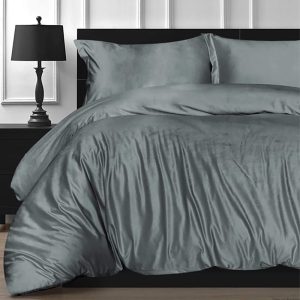
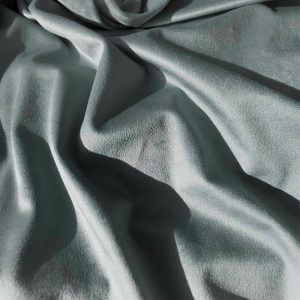
Quilt Covers
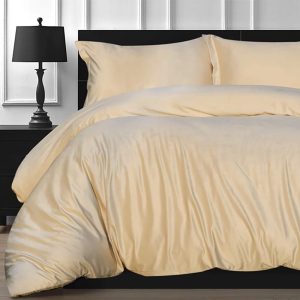

Quilt Covers
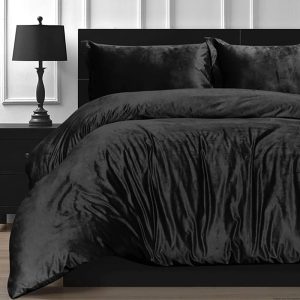

Quilt Covers

Quilt Covers

Quilt Covers

Quilt Covers
Quilt Covers
Quilt Covers: The Complete Guide to Style, Comfort, and Smart Buying
A bed is often the centerpiece of a bedroom, and few things change its look as quickly as a quilt cover. It is the outer layer that people see first, and it also protects the quilt inside, helps you stay comfortable, and lets you refresh your room without spending a fortune. Whether you are furnishing a new home, updating a guest room, or just tired of the same old bedding, this guide covers everything you need to know about quilt covers: what they are, how to use them, their benefits, the types and materials available, current trends, and how to buy the right one.
What Is a Quilt Cover?
A quilt cover is a removable fabric case that slips over a quilt, comforter, or duvet insert. It usually closes with a zipper, buttons, or ties, and it is designed to be taken off and washed easily. In many regions, the terms quilt cover and duvet cover are used interchangeably, though a quilt cover generally refers to the cover itself, while the quilt or duvet is the filled layer inside.
The idea is simple: instead of washing a heavy, bulky quilt again and again, you wash only the cover. This keeps your bedding cleaner, fresher, and longer lasting.
Benefits of Quilt Covers
1. Easy cleaning. Quilts are bulky, hard to wash, and slow to dry. A quilt cover can go straight into the washing machine, so you can keep your bedding hygienic with very little effort.
2. Protects your quilt. The cover acts as a barrier against sweat, dust, spills, body oils, and general wear. This extends the life of the quilt considerably.
3. Instant bedroom makeover. A new quilt cover can completely change how a bedroom looks. You can switch from calm neutrals to bold prints without buying new furniture or repainting.
4. Budget-friendly decorating. Replacing a full quilt is costly, while a quilt cover is far more affordable. You can own several covers and rotate them with seasons, moods, or occasions.
5. Comfort across seasons. Breathable cotton covers feel cool in summer, while flannel, velvet, or brushed fabrics feel warmer in winter. Changing the cover helps you adjust comfort without changing the insert.
6. Allergy-friendly. Regular washing removes dust, pet hair, and allergens that build up over time. This is a real advantage for people with sensitivities.
7. Variety and personal style. From plain minimalist designs to rich embroidery, the choices are endless, so you can match your bedding to your personality.
Types of Quilt Covers
Plain and solid covers. Clean, calm, and versatile, these suit minimalist and modern bedrooms. They are also easy to pair with patterned pillowcases and cushions.
Printed covers. Floral, geometric, abstract, striped, and checked prints add energy and personality. They are popular for guest rooms, kids’ rooms, and casual spaces.
Embroidered covers. Detailed thread work gives a refined, handcrafted look. These suit traditional rooms and special occasions.
Reversible covers. Two different designs on one cover let you change the look by simply flipping it. They are great value for money.
Sizes. Quilt covers come in single, double, queen, and king sizes. Always check the cover’s measurements against your quilt, not just your bed.
Common Quilt Cover Materials
Cotton. Soft, breathable, and easy to care for, cotton is the most popular choice for everyday use. It works well in nearly every climate.
Cotton sateen. Woven to have a smooth, slightly glossy finish, sateen feels silky and looks upscale while keeping the benefits of cotton.
Linen. Naturally cool and textured, linen is ideal for hot weather. It softens with every wash, though it wrinkles easily.
Microfiber and polyester. Lightweight, affordable, and wrinkle-resistant, these fabrics dry quickly and keep their color well. They are a practical choice for busy homes.
Flannel. Brushed for softness and warmth, flannel is a winter favorite.
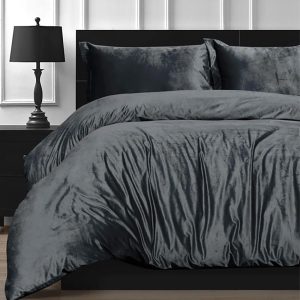
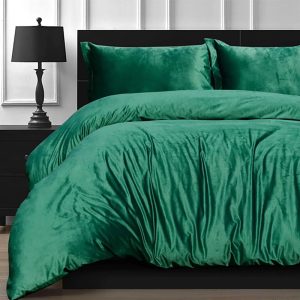
Velvet. Plush and luxurious, velvet adds richness and works beautifully in cold seasons and statement bedrooms.
Silk and satin. Smooth and elegant, these fabrics feel premium and suit formal or romantic bedroom styles, but they need gentler care.
Blends. Cotton-polyester blends combine softness with durability, wrinkle resistance, and easier maintenance.
A note on thread count: For cotton, a thread count between roughly 200 and 400 usually feels soft and lasts well. Very high numbers do not always mean better quality, so judge the fabric feel and weave too.
How to Use a Quilt Cover
Step 1: Turn the cover inside out. Lay it flat on the bed with the opening at the foot.
Step 2: Place the quilt on top. Match the corners of the quilt with the corners of the cover.
Step 3: Secure the corners. Many covers have small ties or loops inside the corners. Fasten these to the quilt so it does not shift or bunch up inside.
Step 4: Flip it right side out. Hold the top corners of the quilt and cover together, then shake the whole thing gently so the quilt settles into place.
Step 5: Close and smooth. Fasten the zipper or buttons, straighten the edges, and smooth the surface.
Styling tips: Fold the cover back over the top third of the bed to show off the pillowcases. Add a bed runner or throw at the foot for contrast, and finish with two or three decorative cushions. For a layered, hotel-style look, use a neutral base and add a textured throw. Keep the color palette to two or three shades for a clean finish.
Quilt Cover Trends
Calming neutrals. Ivory, sand, stone gray, and soft beige create a peaceful, spa-like bedroom.
Earthy tones. Terracotta, olive, sage green, and warm brown are popular for a natural, grounded feel.
Textured fabrics. Waffle, ribbed, boucle, and crinkled finishes add visual interest without loud patterns.
Washed and relaxed looks. Pre-washed cotton and linen offer a lived-in, effortlessly stylish appearance.
Bold botanical and abstract prints. Large-scale florals and artistic shapes are replacing small, busy patterns.
Rich jewel tones. Emerald, navy, and deep plum, especially in velvet and sateen, create a dramatic, luxurious look.
Mix-and-match layering. Instead of a perfectly matched set, people are combining different textures and tones for a collected, personal feel.
Sustainable choices. Organic cotton and responsibly made fabrics are growing in demand.
How to Buy the Right Quilt Cover
1. Check your quilt size. Measure the quilt itself, then choose a cover that matches it closely. A cover that is too large will bunch, and one that is too small will not fit.
2. Consider the season. Pick cotton, linen, or light microfiber for warm months, and flannel or velvet for winter. If you want one cover all year, choose a mid-weight cotton.
3. Choose the right fabric for your skin. If you have sensitive skin, natural fibers like cotton are usually the safest and most breathable option.
4. Look at the closure. Hidden zippers and button closures keep the quilt secure and look neat. Check that the zipper runs smoothly and the stitching is tidy.
5. Inspect the stitching and finish. Seams should be even and strong, with no loose threads. Embroidery should be neat and not feel rough on the inside.
6. Check color quality. Good dyes should not bleed or fade quickly. Dark and bright colors in particular should be color-fast.
7. Match your room. Think about your wall color, curtains, and furniture. Pick a cover that complements them rather than clashing.
8. Buy as a set when possible. A set with matching pillowcases is usually better value and gives a coordinated look.
Quick Care Tips
Wash quilt covers in cool or warm water with mild detergent, and avoid harsh bleach. Turn embroidered or printed covers inside out before washing, and zip them closed to prevent damage. Dry in shade or on a low heat setting to prevent fading and shrinking, and iron on a low setting if needed. Store spare covers in a cool, dry place in a breathable bag.
Conclusion
A quilt cover is one of the simplest and most effective ways to improve your bedroom. It protects your quilt, keeps your bedding clean, and gives you the freedom to change your style whenever you like. By choosing the right size, fabric, and design for your needs, you can enjoy a more comfortable, beautiful bed for years to come.
Frequently Asked Questions (FAQs): Quilt Covers
1. What is a quilt cover?
A quilt cover is a removable fabric case that fits over a quilt, comforter, or duvet insert. It usually closes with a zipper, buttons, or ties, so you can take it off and wash it easily without cleaning the heavy quilt itself.
2. What is the difference between a quilt cover and a duvet cover?
In most regions the two terms mean the same thing. Both are protective outer covers for a filled quilt or duvet. “Quilt cover” is more common in some countries, while “duvet cover” is used in others.
3. What is the best fabric for a quilt cover?
Cotton is the most popular choice because it is soft, breathable, and easy to care for. Linen suits hot weather, flannel and velvet are great for winter, and microfiber or polyester blends are affordable and low-maintenance.
4. How do I choose the right size quilt cover?
Measure your quilt rather than just your bed, then choose a cover that matches it closely. Common sizes include single, double, queen, and king. A cover that is too big will bunch up, while one that is too small will be hard to fit.
5. How do I put a quilt cover on easily?
Turn the cover inside out and lay it flat. Place the quilt on top, match the corners, and fasten any ties inside the corners. Then flip the cover right side out, shake it gently so the quilt settles, and close the zipper or buttons.
6. How often should I wash my quilt cover?
Washing every one to two weeks is a good routine for covers in regular use. You can wash less often for guest rooms or lightly used beds. The quilt inside needs washing far less often because the cover protects it.
7. How do I wash a quilt cover without damaging it?
Close the zipper, turn the cover inside out, and wash it in cool or warm water with mild detergent. Avoid bleach, and dry it in shade or on low heat to prevent shrinking and fading. Always follow the care label, especially for embroidered or velvet covers.
8. Why does my quilt keep bunching inside the cover?
This usually happens when the quilt is not secured at the corners or the cover is too large. Use the corner ties if your cover has them, and choose a cover that closely matches your quilt size.
9. Which quilt cover is best for summer and winter?
For summer, choose light, breathable fabrics like cotton or linen. For winter, flannel, velvet, or brushed fabrics provide extra warmth. If you want one cover for the whole year, a mid-weight cotton is a safe choice.
10. Can a quilt cover help with allergies?
It can help. Because covers are easy to wash, they let you remove dust, pet hair, and allergens regularly. Choosing natural, breathable fabrics and washing frequently makes your bedding more comfortable for sensitive skin.
11. What colors are trending for quilt covers?
Calming neutrals like ivory, sand, and stone gray are very popular, along with earthy tones such as terracotta, olive, and sage green. Rich jewel tones in velvet and sateen are also popular for a dramatic, luxurious look.